Preparing Wheaton Trees for Snow and Ice Load
A winter storm can put far more weight on a tree than its branches ever carry in summer. A little preparation in fall goes a long way toward preventing broken limbs.
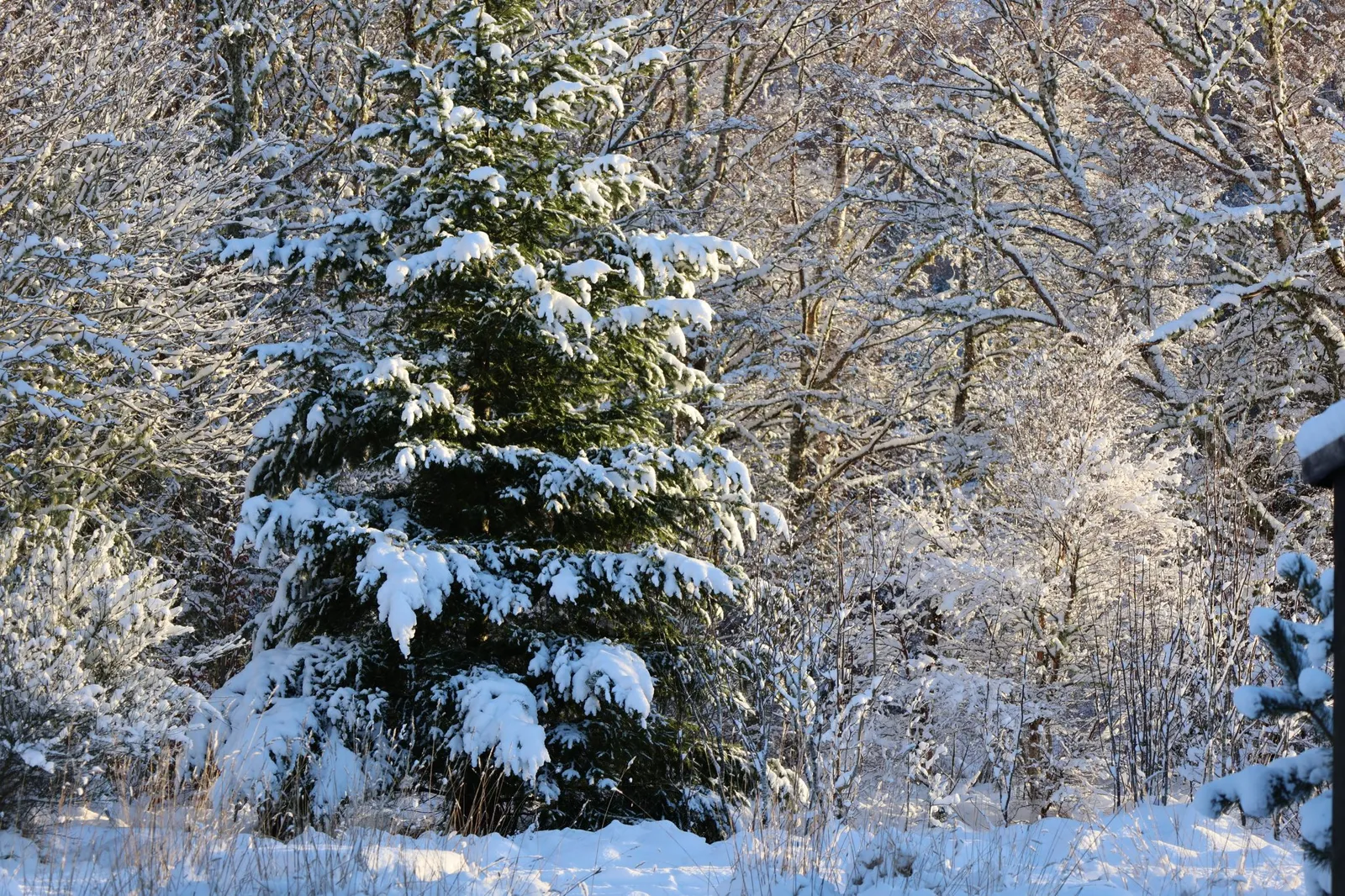
Northern Illinois winters bring more than cold. Wet, heavy snow and freezing rain can coat branches with a load far heavier than the branches themselves, and that load arrives quickly, often overnight. Limbs that looked perfectly sound in August can break under it, and trees with existing weak points can split apart. Most of the preventive work is easier to do in fall, while the weather is still workable and before the first storm puts it to the test.
Some trees are more likely to have trouble than others. Callery pears, including the familiar Bradford pear, are known for crowded, narrow branch unions that split under load. Silver maples, willows, and some elms have weaker wood and tend to shed limbs. Multi-stem arborvitae and upright junipers can be bent open by snow and stay permanently splayed. Birches and other flexible trees can bow over and sometimes never fully straighten. Any tree with a cracked union, included bark, a dead limb, or a long, heavy branch is at higher risk, whatever the species.
Walk the property and look up. Note dead branches, broken limbs still hanging in the canopy from earlier storms, branches touching or resting close to the roof, and long limbs over the driveway, the front walk, or where cars park. Look at the service drop, the line running from the pole to your house; branches near it can bring it down under snow. Note any split or cracked unions. Those items come first, because a branch that is already weak or dead is the one most likely to fail once weight is added.
Removing dead wood and hangers, shortening overextended limbs, and selectively thinning a heavy limb to lighten its end weight all reduce the load a storm can place on a tree. The goal is not to strip the canopy; overthinning and topping create more problems than they solve. Trees with weak unions that are worth keeping may be candidates for cabling, which shares the load between stems. For branches near utility lines, contact your electric utility, since work near energized lines should be done only by qualified line-clearance crews.
For multi-stem arborvitae and junipers, a few loose wraps of soft twine or strips of fabric around the plant can keep the stems from splaying under snow. Wrap loosely enough that the stems can still move a little and air can circulate, and remove the wrapping in spring.
When snow piles up on the lower branches of shrubs and small trees during a storm, brushing it off gently with an upward motion of a broom can help. Do not shake or strike branches coated in ice; frozen wood is brittle, and the ice is better left to melt on its own. Stay out from under trees during and right after an ice storm, and never approach a downed line or a branch touching one.
After a storm, look for hanging or partly broken limbs, fresh splits, and branches that have shifted onto the roof. A broken branch caught in the canopy can fall days later. Do not climb a ladder into an ice-loaded tree or try to cut limbs that are bent under tension; that is exactly the kind of work that leads to serious injuries.
Klein Creek Tree Care offers pruning, cabling and bracing, and tree risk assessments in Wheaton, Glen Ellyn, and surrounding communities, and our crew provides 24/7 emergency response when storms bring trees or limbs down. Schedule fall pruning now to lower the odds that you will need that emergency call this winter.
Get your trees ready for winter storms
Klein Creek Tree Care LLC provides storm-prep pruning, cabling, and 24/7 emergency tree service in Wheaton, Glen Ellyn, and surrounding communities.