A Fall Tree Walk-Through for HOAs and Commercial Properties
Snowplows, salt, short days, and winter storms all affect the trees on a managed property. A fall walk-through catches the problems that are least expensive to fix before winter.
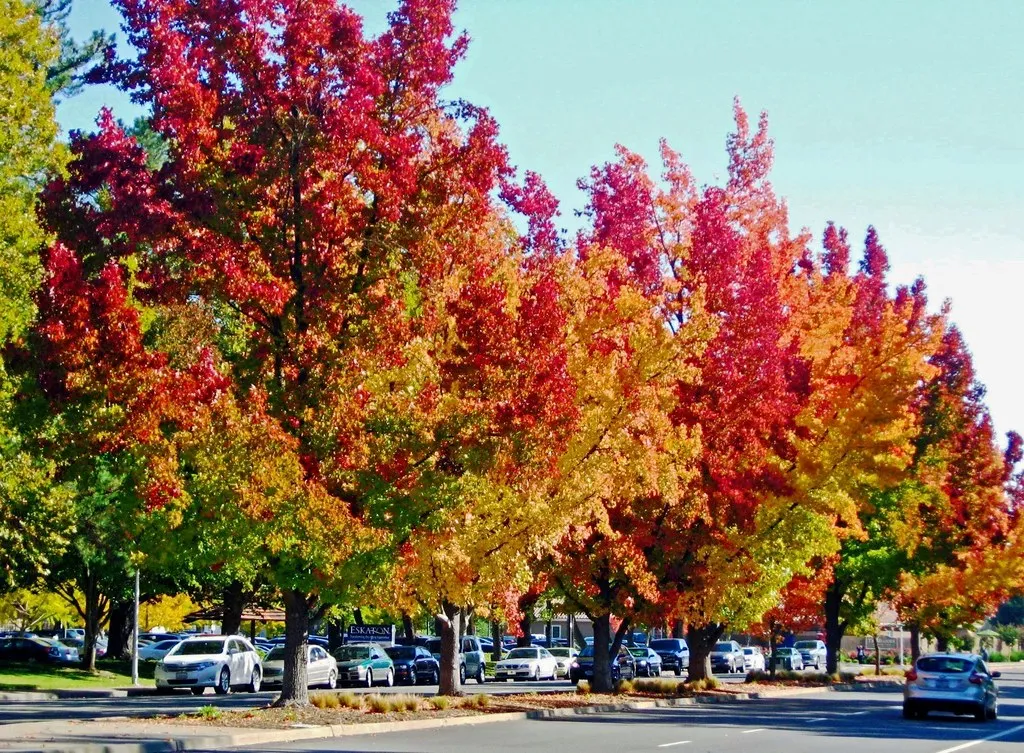
For HOA boards and commercial property managers, trees are both an asset and a responsibility. Residents, tenants, and visitors notice a well-kept canopy, and they also notice a broken limb on a car or a branch hanging over a sidewalk. Fall is the best time to walk the property with trees in mind. Leaves are thinning, so dead wood and structure are easier to see, and there is still time to schedule work before plows, ice, and storms arrive.
Start with clearance. Walk every drive lane, parking row, and sidewalk, and look for branches low enough to be struck by plow trucks, delivery vehicles, or refuse trucks, or to brush pedestrians. Snow on branches pulls them lower than they hang in October, so a limb that clears today may not in January. Many municipalities set clearance standards over sidewalks and streets; check with your village or city for the requirement that applies. Also note branches that hide signs, block sight lines at entrances, or shade parking lot lights, since dark spots and hidden stop signs become safety issues on early winter evenings.
Next, look for trees that are dead, dying, or clearly declining, especially where people walk, park, or gather. Many communities in DuPage County still have ash trees killed by emerald ash borer standing on common ground. Dead ash becomes more brittle and more hazardous with time, and it is better to remove those trees on your schedule than after a limb comes down. Note trees with large dead limbs, cracks, cavities, fungal growth at the base, or a lean toward a building or parking area.
Think about where the snow will go. Snow piled onto tree islands and parkway trees brings salt with it, and salt damage builds up over years, showing as browned evergreens and slowly declining shade trees. If the snow contractor uses the same islands or beds for storage every winter, mark the ones with trees and agree on alternatives. Look at root zones beside parking areas as well: tire ruts, compacted soil, and bark scraped at bumper height are all signs a tree is being worn down.
Lifted sidewalk panels and curbs near trees are trip hazards that get harder to see under snow and ice. Flag them for repair, and get the tree evaluated before the concrete work rather than after; cutting large roots to fix a sidewalk can destabilize a tree.
A walk-through is most useful when it produces a list. Record each concern with a location, a photo, and a priority: immediate hazards, work to finish before winter, and items that can wait for the dormant season or spring. Over time, a simple tree inventory with species, size, and condition gives the board or owner a basis for budgeting instead of reacting to each problem as it appears. It also helps when residents ask why a particular tree is being removed or kept.
Most associations cannot address every tree at once. Prioritize by risk first, then by clearance and access, then by long-term health. Spreading planned pruning across several years keeps costs predictable and avoids the large bills that come with deferred maintenance. Pair removals with a replanting plan so the canopy is renewed rather than gradually lost.
Klein Creek Tree Care works with HOAs, businesses, and municipal properties in Wheaton, Glen Ellyn, and surrounding communities, from tree risk assessments by an ISA Certified Arborist to pruning, removals, and 24/7 emergency response. If your property is due for a pre-winter walk-through, contact us for an estimate and a clear, prioritized list of what to address first.
Managing trees on an HOA or commercial property?
Klein Creek Tree Care LLC serves HOAs, businesses, and municipal properties in Wheaton, Glen Ellyn, and surrounding communities.